How to Use Social Media to Enhance Offline Events
Social media has transformed how we connect, communicate, and engage with one another. When it comes to offline events, leveraging social media can significantly enhance attendance, engagement, and overall experience. In this article, we'll explore effective strategies for using social media to promote and enrich your offline events.
Understanding the Basics
According to a 2021 study by Eventbrite, approximately 90% of event organizers report that social media is essential for promoting their events. This is largely because platforms like Facebook, Instagram, and Twitter allow for direct engagement with potential attendees, making it easier to spread the word. Experts recommend using these platforms not only for promotion but also for real-time engagement.
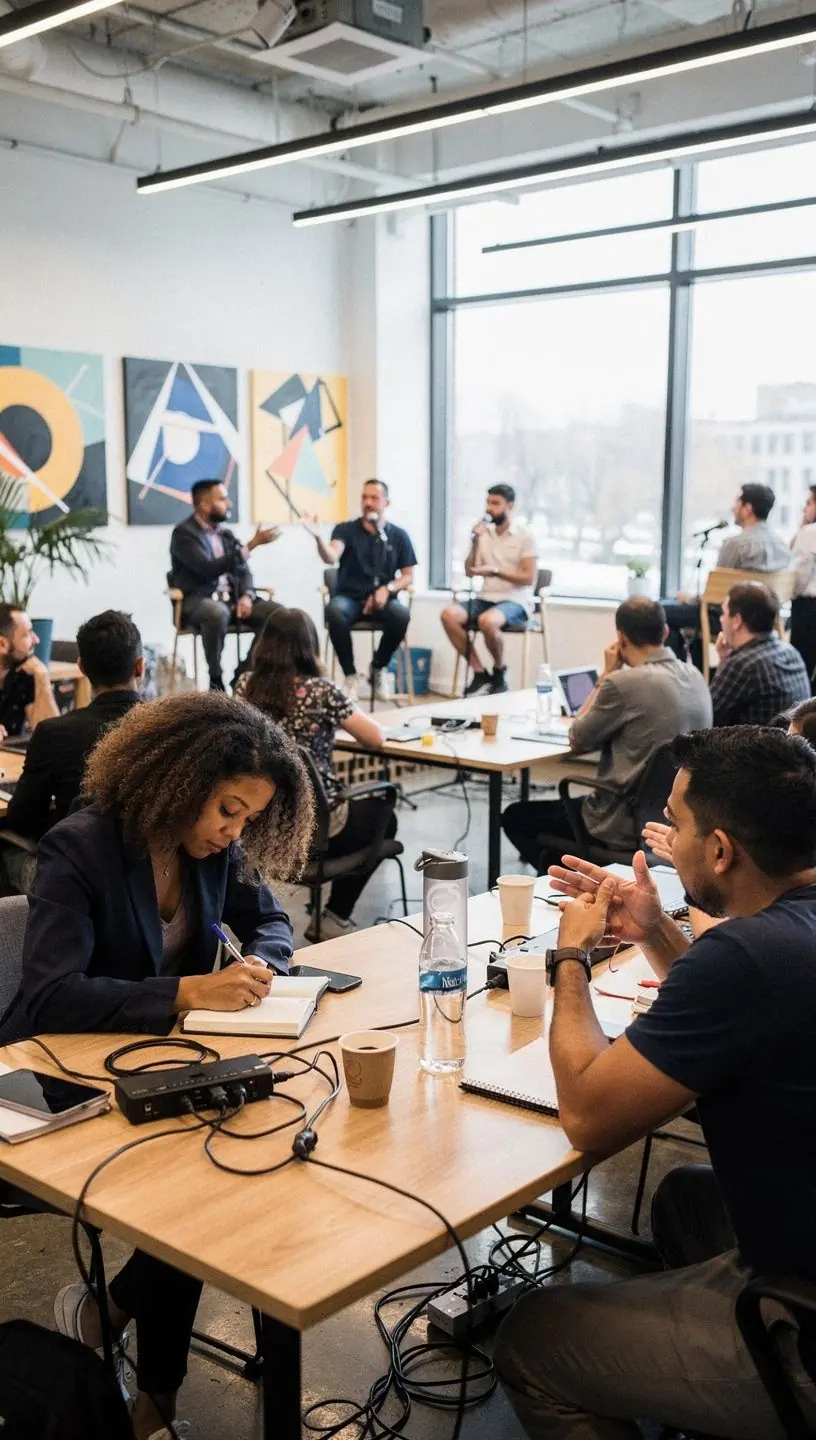
"Utilizing social media for offline events can create a sense of community even before the event takes place." - Event Marketing Expert
Strategies for Promotion
To effectively promote your offline events through social media, consider the following strategies:
- Create Event Pages: Utilizing platforms like Facebook to create dedicated event pages can provide all necessary information to potential attendees. This includes date, time, location, and ticketing information. Event pages also allow users to indicate their interest or attendance, which can serve as a reminder as the event approaches.
- Engage with Attendees: Before the event, encourage attendees to share their excitement on social media. You can create a specific hashtag for your event, which not only builds anticipation but also allows for easier tracking of discussions related to the event.
- Utilize Live Streaming: If possible, consider live streaming portions of your event on platforms like Instagram or Facebook. Research indicates that live video can increase engagement by up to 300% compared to regular video posts.
Enhancing the Event Experience
While promoting your event is crucial, using social media during the event can also enhance the experience for attendees:
- Real-Time Updates: Provide real-time updates on social media about what’s happening at the event. This could include speaker highlights, key moments, or even crowd engagement activities. Many users report that real-time content significantly adds to their event experience.
- Encourage User-Generated Content: Encourage attendees to share their experiences on their own social media accounts. This can create an authentic narrative around your event and foster a community feel. Consider incentivizing this by offering small prizes for the best posts using your event hashtag.
- Post-Event Engagement: After the event, use social media to share photos, videos, and highlights. This not only keeps the conversation going but also serves as valuable content for future events. According to industry experts, maintaining post-event engagement can significantly improve attendance at future events.
Measuring Success
It's important to measure the impact of your social media efforts. This typically involves tracking metrics like engagement rates, shares, and comments on your posts. Tools like Google Analytics can help determine how much traffic your social media campaigns are driving to your event page. Many users report that tracking these metrics allows for better planning in future events.
Conclusion
Leveraging social media for offline events can significantly enhance engagement and community building. By creating event pages, encouraging user-generated content, and maintaining engagement before and after the event, organizers can foster a vibrant atmosphere that extends beyond the event itself. While the process may require time and effort, the potential benefits in attendance and community engagement can be substantial and rewarding.
Learn More