Tips for Creating a Welcoming Atmosphere at Events
Creating a welcoming atmosphere at events is essential for encouraging participation and fostering community engagement. Research indicates that attendees often rate their experience based on how included and comfortable they feel within the environment. This article provides practical tips to help you cultivate a warm and inviting space for your next gathering.
Understanding the Importance of Atmosphere
According to studies on social dynamics, the atmosphere of an event significantly influences attendees' engagement and satisfaction. A welcoming environment not only makes participants feel valued but also encourages open dialogue and connections among attendees. Experts recommend that organizers pay close attention to various factors that contribute to this environment, including ambiance, accessibility, and community involvement.

"A positive atmosphere can lead to increased participation and a greater sense of belonging among attendees." - Event Planning Expert
Essential Elements to Consider
When planning your event, consider incorporating the following elements to enhance the welcoming atmosphere:
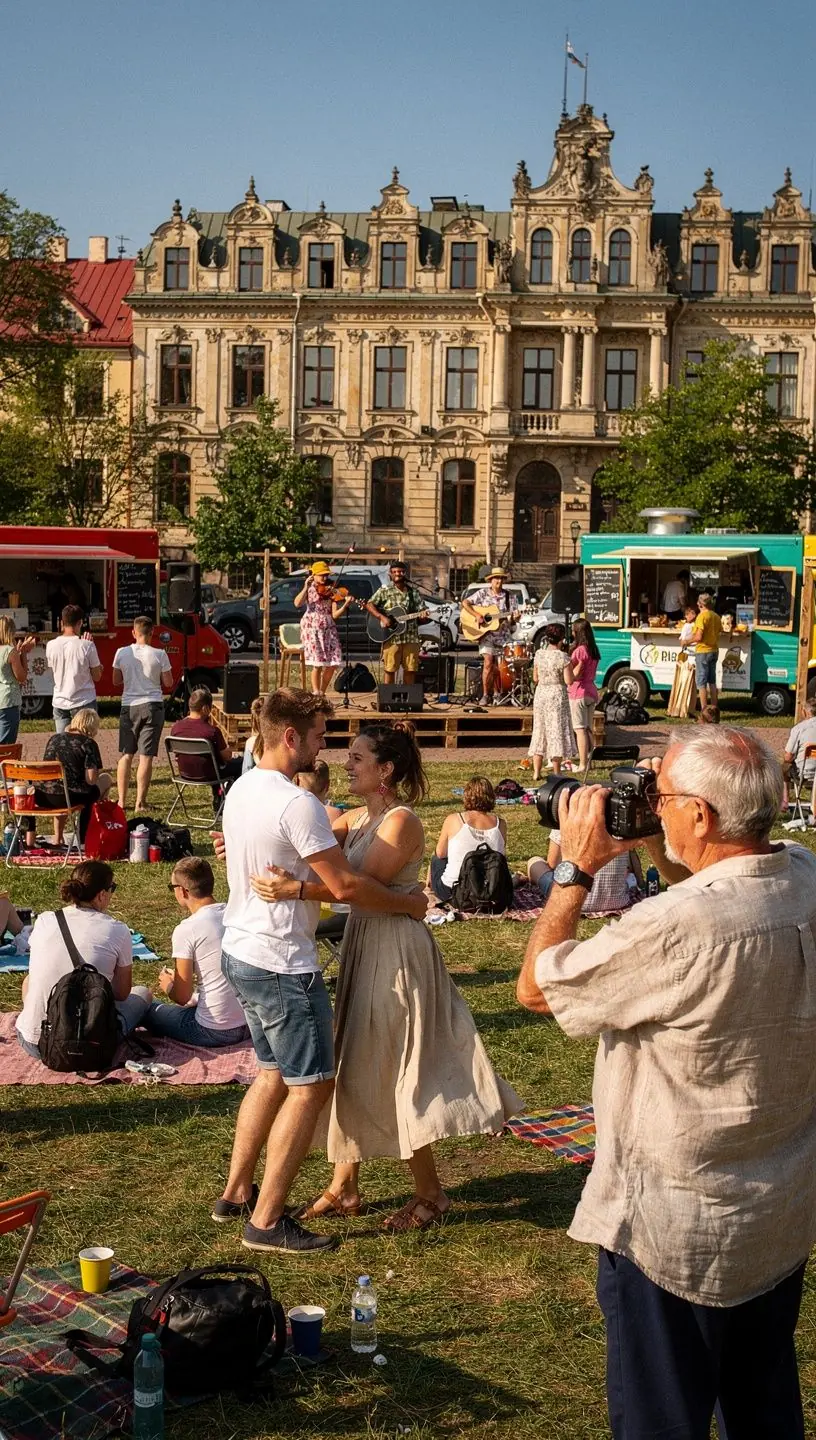
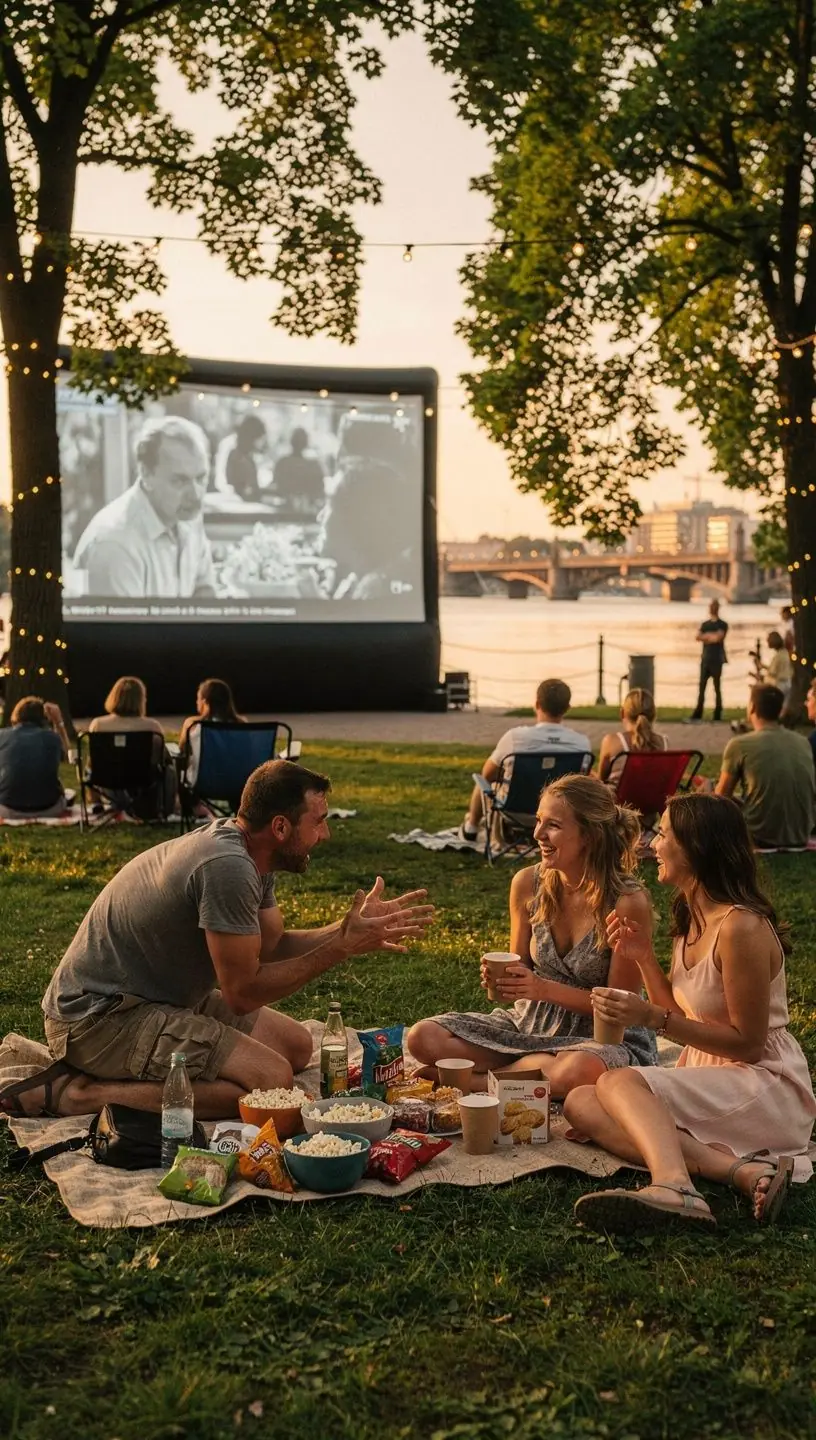
- Ambiance: The right lighting, decorations, and music can set the tone. Research shows that soft lighting and familiar tunes can make people feel more at ease.
- Greeting Attendees: Personal greetings by hosts or volunteers can create an immediate sense of belonging. Many users report that a friendly introduction often alleviates anxiety for newcomers.
- Inclusive Activities: Offering a variety of activities that cater to different interests can help all attendees feel included. Industry standards suggest having both quiet and interactive options available.
Building Connections Among Participants
Facilitating connections among attendees can further enhance the welcoming atmosphere. Here are some strategies to encourage interaction:
- Ice-Breaker Activities: Incorporating ice-breaker games can help participants meet each other in a low-pressure setting. Experts recommend activities that require minimal preparation to ensure ease of implementation.
- Discussion Circles: Providing spaces for small group discussions helps attendees share their thoughts comfortably. This type of engagement is particularly effective in community-building events.
- Feedback Opportunities: Offering a platform for attendees to share their experiences can help you tailor future events better. Collecting feedback not only shows that you value participants' opinions but also helps you improve subsequent gatherings.
Conclusion
Creating a welcoming atmosphere at events requires thoughtful planning and attention to detail. By focusing on elements such as ambiance, personal greetings, and inclusive activities, you can foster a space where participants feel comfortable and engaged. Remember, while some strategies may require additional effort, the benefits of enhanced attendee satisfaction and community connection are often worth it. As you implement these tips, stay open to feedback and continuously adjust your approach to meet the needs of your audience.
Learn More